About Practis
Why a television actor built Practis
An actor can stumble over a line in rehearsal and try again. A sales rep who gets stuck in front of a customer has to live with how that conversation goes.
Ed Kerr built Practis to make room for that rehearsal.
Read our story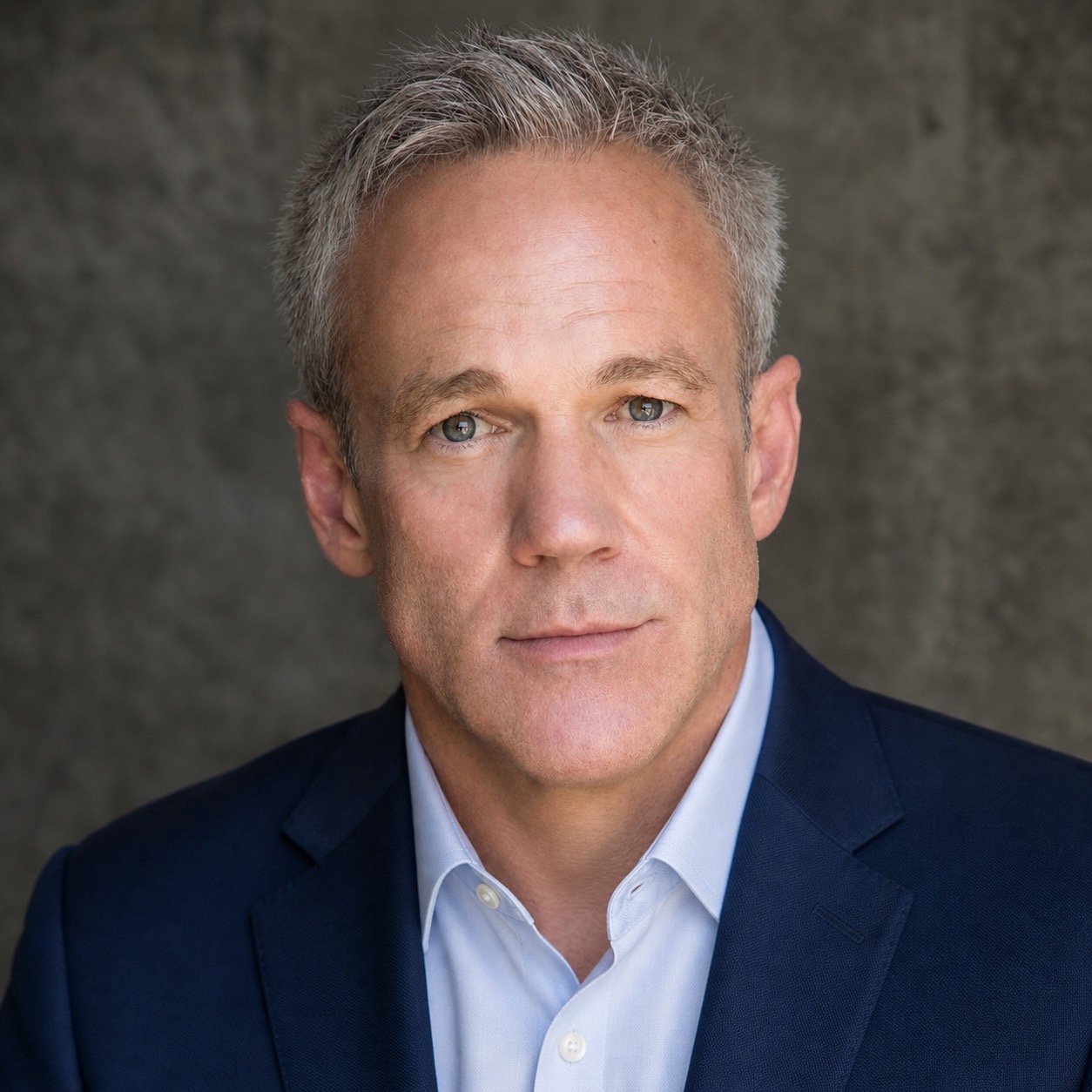
01 / Acting Selected roles, 1994–2017
The part viewers didn’t see
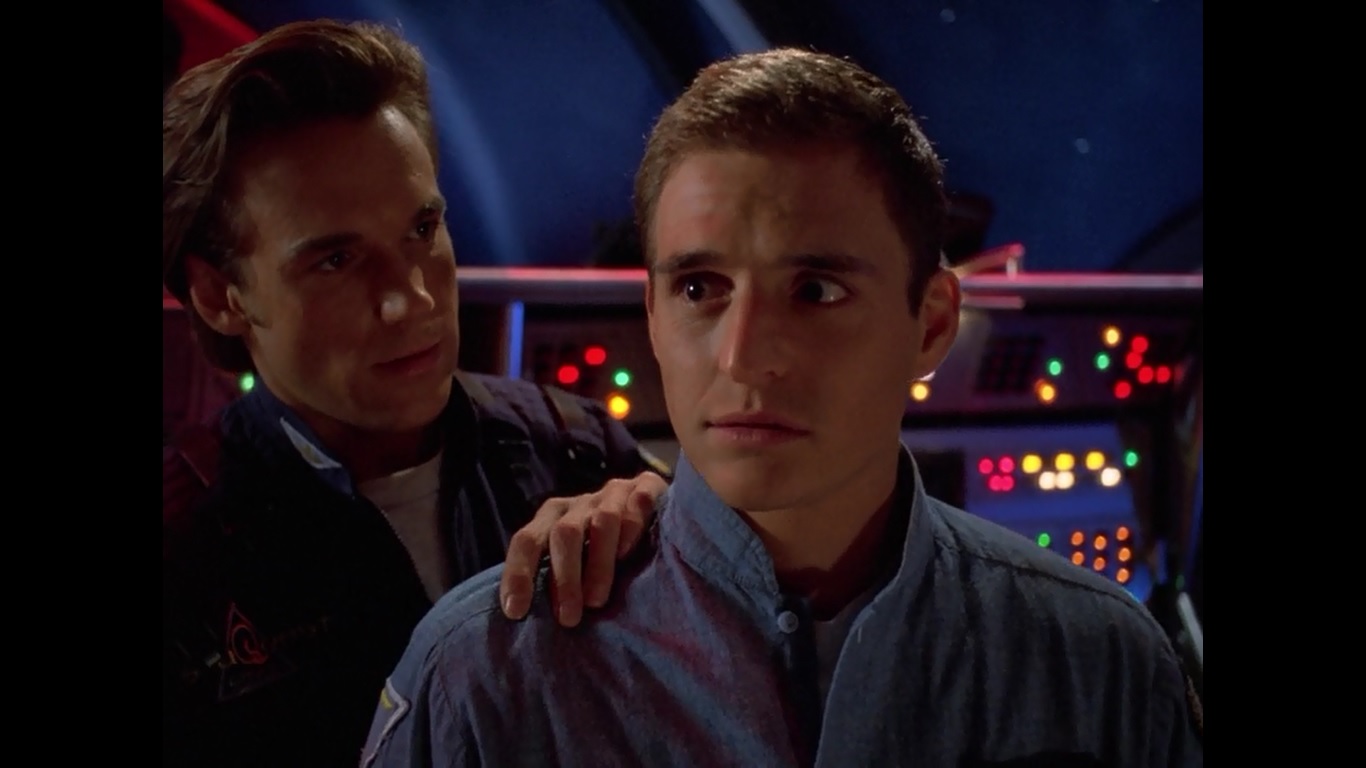

Stills: seaQuest via IMDb; Freeform / Eric McCandless via AlloCiné.
People would ask Ed Kerr what it was like to be an actor. They knew him as Lieutenant James Brody in seaQuest or Pastor Ted Wilson in Pretty Little Liars. His other credits include What I Like About You and Above Suspicion.
What they saw on screen came after rehearsal. You could get a line wrong, hear how it sounded, and try it another way with a scene partner. Ed wanted to let other people experience acting for themselves. He began building a way for them to do it on a phone.
Explore Ed’s screen credits02 / ROLR
A scene partner on your phone
In July 2016, Ed launched ROLR. Pick a movie scene, take a part, and give it a go. Your scene partner could be somewhere else entirely. You recorded your lines; they recorded theirs. Together, you made a scene of your own.
The clips still have the fun of it: people trying on a character, playing off a partner, making a familiar scene their own. Ed had spent years doing this for a living. ROLR let other people have a turn.
“We have this ambition of getting the world to act together.”
Underneath the movie scenes was a useful idea: give someone the words, a partner, and a place to try. Ed and his team would carry that idea into sales, where the conversation was real and getting it right mattered to someone’s livelihood.
Read Ed’s 2016 interview03 / Practis Around 2019
A hard lesson from the first customers
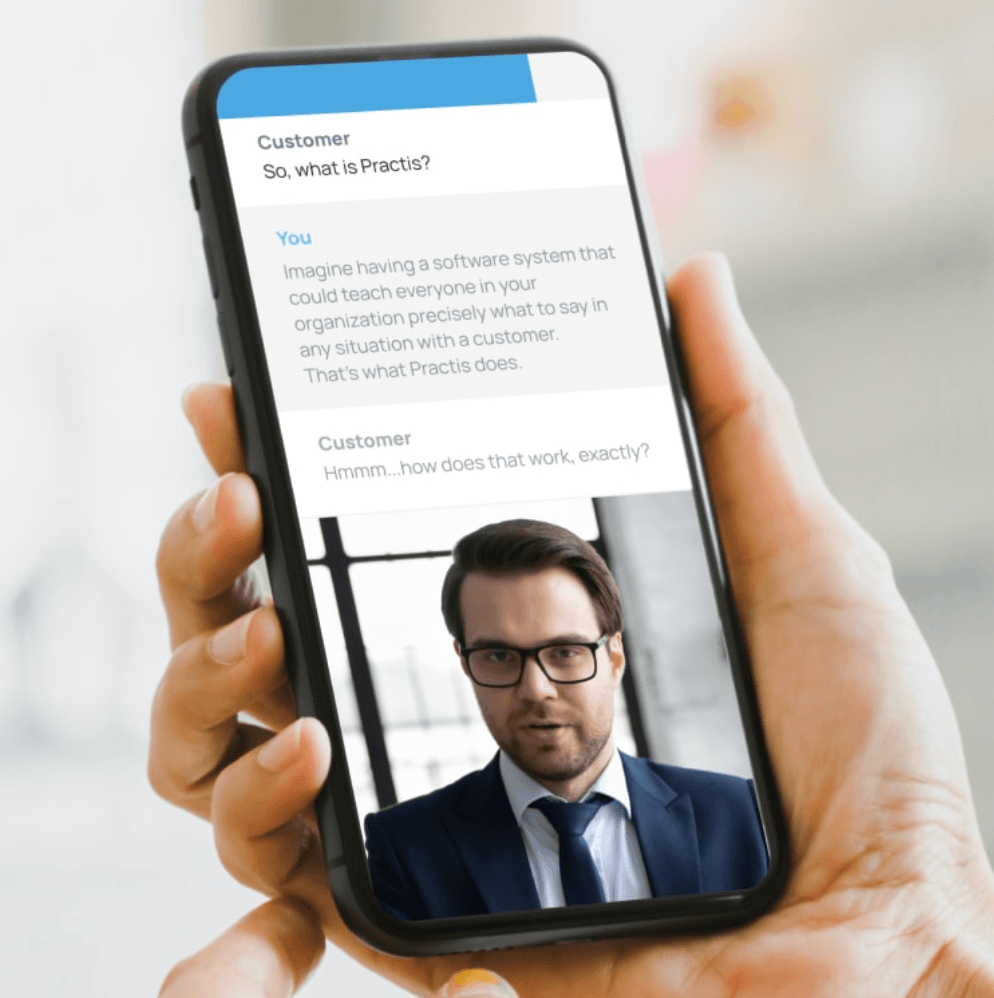
Around 2019, Ed and his team formed Practis, with Orkin as their first customer. A rep could rehearse a sales conversation on a phone before having it with a customer. There was time to get stuck, find the words, and have another go.
The early approach
- Rehearse the script.Learn the sales language.
- Record the performance.Put the words into practice.
- Wait for a review.A manager had to watch and coach.
But the early product left one important job to managers: watching each recording and giving feedback. They were already busy, and many performances went unscored.
A rep could make the effort to practice and still be left wondering whether they’d got it right. Ed and his team had to build something that could respond to each attempt. They started experimenting with AI roleplay and coaching.
ROLR remains a separate company. It holds the patents behind the technology and licenses them to Practis. Read the technology’s history.
04 / The next chapter 2026
The next attempt starts with feedback.
Now a rep can finish a conversation with an AI customer, get feedback, and try again while the difficult part is still fresh. Managers can see where that rep needs their help.
Reps and coaches use the PRACTIS™ Method to talk about what happened. It covers seven stages of a conversation and nine dimensions of performance. Script-to-Scrimmage gives a rep time with the words before asking them to handle the pressure of an AI customer.
We’re also developing Coach so reps can work through a selling question using their company’s knowledge. Then they can practice how they’d say it to a customer. The aim is to give them somewhere to work on the hard part before the next appointment.
Before the next appointment
Give your reps a place to get it wrong first.
Bring a conversation your team finds difficult. We’ll show you how they can work through it in Practis.
Book Demo