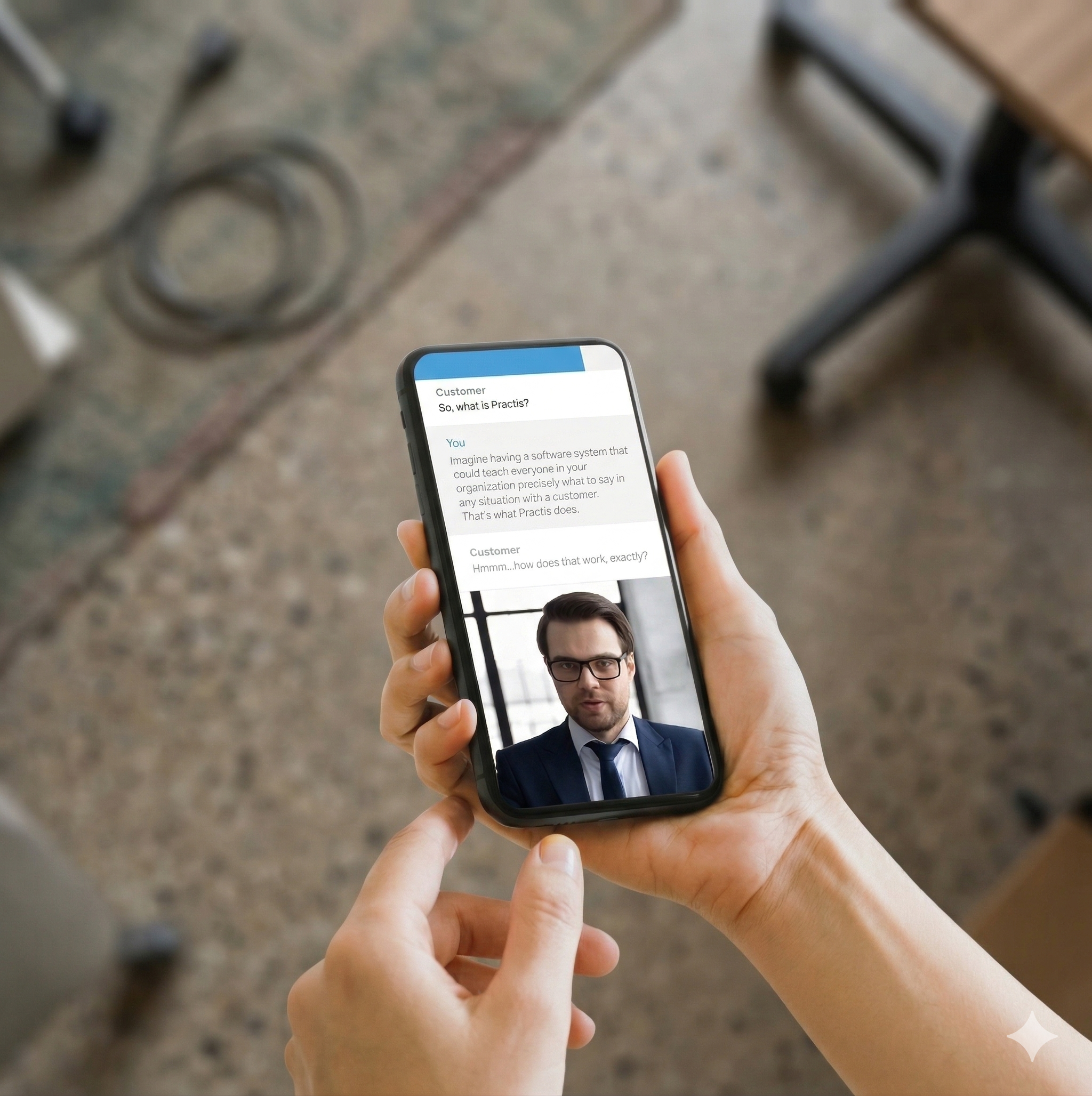
The sales training industry is experiencing its most significant transformation in decades. As AI technology matures, forward-thinking sales organizations are discovering that traditional training methods—workshops, e-learning modules, and shadowing programs—simply can't keep pace with the demands of modern selling.
The Problem with Traditional Sales Training
For years, sales leaders have struggled with a frustrating reality: most training doesn't stick. Research consistently shows that reps forget 70% of what they learn within a week, and 87% within a month. This isn't because reps don't care—it's because passive learning simply doesn't build lasting skills.
Think about it: you can't learn to play tennis by watching videos. You can't become a better public speaker by reading books. And you can't develop sales skills by sitting through PowerPoint presentations.
"The biggest mistake we made was treating sales training like information transfer instead of skill development. Information is cheap. Skill is earned through practice." — VP of Sales Enablement, Fortune 500 Tech Company
Enter AI-Powered Roleplay
AI roleplay represents a fundamental shift in how we approach sales skill development. Instead of passive consumption, reps engage in active practice—having realistic conversations with AI buyers who respond dynamically to their approach.
Here's what makes this approach so effective:
1. Unlimited Practice Without Judgment
Reps can practice difficult conversations—cold calls, objection handling, discovery questions—as many times as needed without fear of looking bad in front of peers or managers. This psychological safety accelerates learning dramatically.
2. Instant, Consistent Feedback
After each practice session, AI provides specific, actionable feedback on what worked and what didn't. Unlike human feedback, which varies based on who's coaching, AI evaluation is consistent and objective.
3. Realistic Scenario Variety
AI can simulate countless buyer personas, industries, and situations. Reps encounter the full range of scenarios they might face in real conversations—not just the few examples a trainer has time to cover.
4. Available Anytime, Anywhere
Practice fits into the rep's schedule, not the other way around. Whether it's 10 minutes between calls or an hour on a Sunday afternoon, reps can sharpen their skills when they're ready to focus.
The Results Speak for Themselves
Organizations implementing AI roleplay are seeing remarkable outcomes:
- 50% faster ramp time for new hires
- 30%+ improvement in win rates
- 2x more coaching conversations per manager
- 89% rep satisfaction with development programs
These aren't theoretical projections—they're real results from real sales teams that have made the switch.
Getting Started
If you're considering AI roleplay for your team, here's what we recommend:
- Start with high-impact scenarios. Identify the conversations that matter most—usually cold calls, discovery, and common objections.
- Integrate with your existing playbook. AI practice should reinforce your methodology, not replace it.
- Set clear expectations. Make practice part of the job, not an optional extra.
- Celebrate progress. Recognition for improvement drives continued engagement.
The Future is Practice
The shift from passive training to active practice isn't just a trend—it's the future of sales development. Organizations that embrace this change will build teams that consistently outperform their competition.
The question isn't whether AI will transform sales training. The question is whether you'll be an early adopter who gains competitive advantage, or a late follower who's forced to catch up.
Ready to see AI roleplay in action?
Book a personalized demo and discover how Practis can transform your team's performance.
Request Demo